The No. One Question That Everyone In Window Repairs Must Know How To Answer


Window Repairs For Hard-To-Reach Areas
A damaged window is a serious problem that must be fixed quickly before the weather gets too cold. This is especially true if the muntins and mullions holding the glass are cracked or have signs of rot.
A simple, inexpensive solution is to apply a thin layer of transparent shellac (or nail polish) over the crack. This fixes the crack, decreases the stress on it, and prevents air from entering through.
1. Tape
If you're in a pinch and don't have time wait for a window repair professional service, the most efficient solution is to simply place a few strips of tape over the crack. This will do an excellent job stabilizing the crack and lessening the strain on the glass. Additionally, it will also prevent cold air from getting into your home through the window frame.
This kind of quick fix is also affordable and simple to do. If you encounter this problem often, it could be worth investing in good-quality masking tape. This will be strong enough to withstand more abuse than the typical tape that you use at home, and it will last longer.
You can apply clear nail polish to temporarily fix windows that have cracked and also the masking tap. It might not look as attractive as tape, but it will help to keep the crack until you find a more permanent solution. You'll need to thoroughly clean the crack before applying nail polish. A second coat may be needed after the first one has dried to fill the crack.
Another option is to wrap the entire frame of your window with self-adhering flashing tape ($12, The Home Depot). This product will create an entirely waterproof barrier that can block rain and snow as well as wind, helping keep cold air out of your home through the windows. Be sure to clean and apply some Linseed prior to putting on the tape. This will allow it to stick to the wall.
Duct tape can also be used to wrap extension cords in a "cubby" that will stop them from rattling against interior of your windows. Be sure to wrap it securely and assign a colour to each type of cord, so you know which ones are which, prior to using them. This will save you from having to untangle your extension cords during the winter months.
2. Glass Repair Film
A damaged window can be an expensive and unavoidable issue. It can not only create a security risk by creating an entry point for criminals, but it also reduces natural light and ventilation in the building. It is essential to find an effective and speedy solution to fix your window, especially if it will prevent further damage to the frame or the materials surrounding it.
In some cases, the crack is too severe for clear tape to repair and a professional glazier will require replacing the glass on the window. window glass repair near me is especially the case if your window is double-paned glass. A crack that is not repaired properly can compromise the gas between the two panes, reducing the efficiency of the window. However, in a lot of cases a cracked window can still be fixed with simple glass repair film.
This heavy-duty temporary window repair film is designed to be sprayed on broken and damaged glass to temporarily fix it temporarily. This film is used in hospitals and schools to ensure that glass is weatherproof and safe following breakage. The film is optically transparent so that it doesn't interfere with the view through the window. It is easily applied to laminated and flat toughened glass. It's also extremely robust, with twice the hold of conventional safety window film and can be used as an alternative to plywood or steel sheets on void properties, creating an aesthetically and safer appealing environment.
The easy-to-apply film is similar to sticky back plastic and can be cut into a desired size using an instrument or razor blade and then pressed onto the glass surface. The film is then encased with a layer of release liner paper that must be removed before it is smoothed with a cloth. This allows the window to be made secure and weather proof whilst allowing sunlight to enter.
It's a cheaper alternative than hiring a glazier to board up the window and can avoid further damage to the glass, frames or surrounds. It is also faster to apply than traditional board-ups, and helps reduce OHS concerns with dangerous glass shards.
3. Epoxy
Epoxy is becoming a popular and adaptable product for fixing wood. Boston Building Resources members use it to strengthen porch columns and repair rotting windowsills and door jambs. It starts out as a caulk-like substance and can be worked like cookie dough, molded into rough shapes, carved and sanded, just like wood. It also sets hard, and unlike some wood fillers that are used for exterior use, will not break or fall apart when it cures.
Epoxies, also called epoxy resins or epoxy binder, are a broad category of glues that require two parts before they can harden. They are made of monomers, chemical chains that are bonded by heat and pressure. They can be tinted to match a specific hue, or they could be clear and can be used on all kinds of glass such as plain, tempered, laminated, and mirrored.
To use epoxy, lay clean, dry cardboard on the area to work in and work in a space that is well-ventilated. It takes about a minute for the epoxy to set and set, so make sure you have the tools ready and ensure that you're in the right mindset for this kind of project. If you can, separate any broken glass pieces to avoid the risk of them breaking again as the epoxy sets.
If you're using liquid epoxy, make sure you follow the directions on the bottle. If the epoxy drys out too quickly you can heat it using an iron or hair dryer. Be cautious not to overheat or it will harden, and lose its ability for shaping. Heat will also affect the strength and durability of the bond.
Once the epoxy has been smoothed and shaped the epoxy should be sanded using sandpaper of 80-grit to prepare it for paint. Make sure to wear a dust mask when sanding, and sand the wood surrounding it as well to roughen the surface so that the paint sticks.
Epoxy can be used to repair small cracks or chips on windows. However, it is not the best option to repair structural joints. Instead, use the wood dutchman method or scarf, or splice. Also, if you are working on an older structure, an epoxy repair could be considered irreparable, and repairing the damaged part is preferable.
4. Glass Replacement
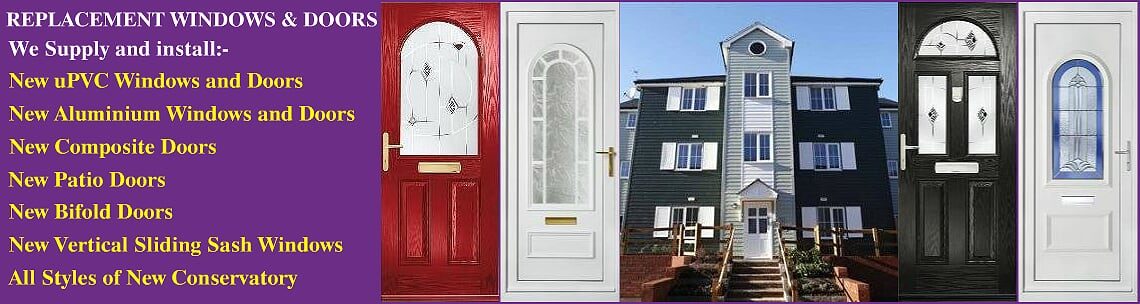
Window repairs are one thing, but windows situated in areas that are difficult to reach, such as upper floors or dormers require extra care and effort to make sure they're secure and working properly. Whether they're broken, or aren't easy to open and close, these windows can be energy wasters and security risks.
These types of repairs can be handled by experts in window repair. First, the windows are cleaned to ensure that there aren't any remaining fragments of glass within the frame or mechanism. The sash (or moveable part of the window) that allows the window to be shut and open is removed from the frame. After this is completed, the glass pane can be removed. To do this the professional will be required to wear eye protection and gloves. The professional will also have to remove any glazing compound or points which are similar to putty fasteners that hold the window panes in place. They will then seal the broken glass with tape in order to protect themselves against the razor-sharp edges.
Once the glass is removed, the window is ready for a fresh glass replacement. A utility knife can be used to scrape any remaining glazing compound on the inside of the frame. A wire brush can also assist in removing any paint, dirt or other residues that may be stuck into the crevices that are smaller in the window frame. This makes the sash more secure and better fit in the frame after it is replaced.
This window repair is much simpler for single-paned windows than for triple-paned or double paned windows. The professionals will need to replace the gas and spacers as well as the panes to restore the window's original aesthetic. However, it's worth mentioning that this type of repair is still cheaper than replacing the entire window.
It's important to remember that damaged window frames and sills can lead to wood damage, rot and water leakage, which can be very costly for homeowners to address. If these issues aren't addressed they can be transferred to other areas of the house and create more problems. It is better to invest in inexpensive window repairs and detect these problems early.